Sympathy for the Devil Series - Part III
♪♫ Just as every cop is a criminal, and all the sinners saints. As heads is tails, just call me Lucifer. Cuz I’m in need of some restraint. ♪♫ - Sympathy for the Devil, Rolling Stones
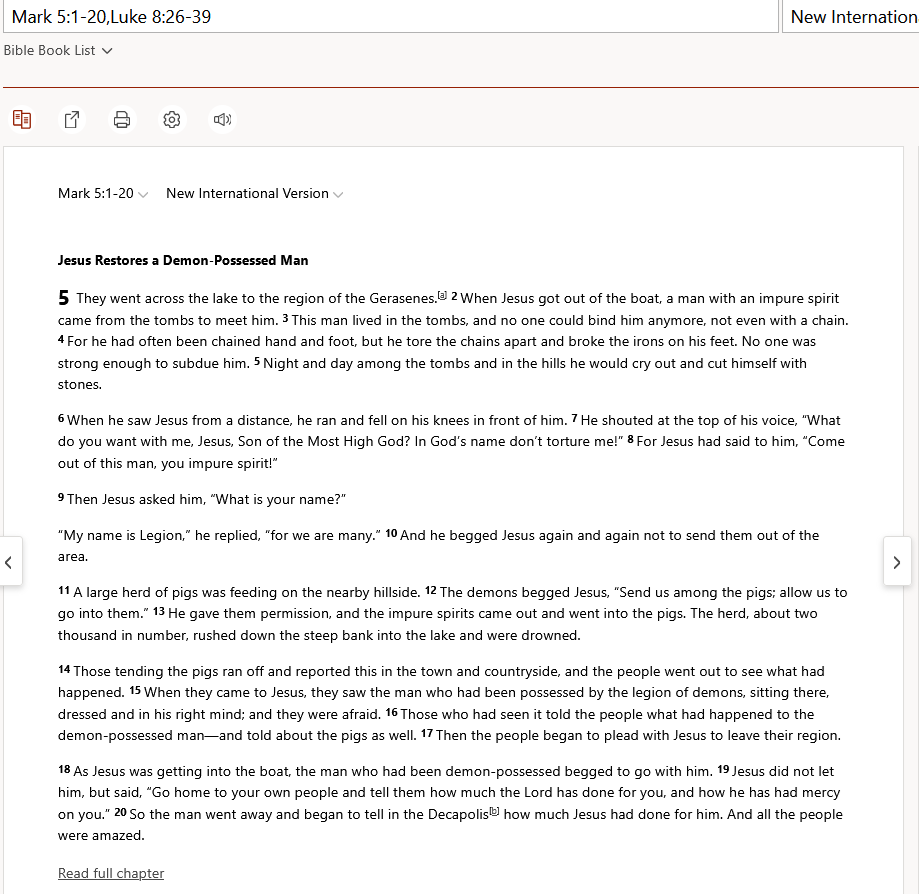
As I grew into my sympathetic tendencies, the story of Legion came to mind that you just read above. My aunt’s had pigs growing up, and even kept them as pets in a domesticated setting. As such, I always thought pigs were cute & fun – I know that may not be everyone’s frame of reference. Their suffering stuck with me not just because I loved pigs — but because it revealed something deeper and darker about the god I was taught to worship.
“And they come to Jesus, and see him that was possessed with the devil, and had the legion, sitting, and clothed, and in his right mind: and they were afraid.”
So when Jesus cast the demons out of the man, and into 2,000 pigs who proceeded to kill themselves – it seemed to me like an all-powerful god could have found a way to fix that situation without the merciless killing of those creatures. As that man was tormented by Legion, surely so were the pigs in those final confusing moments. Then I got older, and thought; those pigs probably belonged to someone, as referenced that they had people tending to them. 2,000 pigs that long ago is probably detrimental as hell to Gerasenes – a Gentile location who did eat pork.
As I grew further in my walk, I wondered why innocent creatures had to suffer to cleanse a human. The term Death Cult had not yet entered my consciousness, but this was a formative experience towards my belief that given the choice, the god of the bible favors blood & death.
After all, Jesus was god in human form, couldn’t he just banish the demons instead of causing such collateral damage? Does this faith accept death & destruction as long as divine objectives are met?
I remember though, one of the first stories I was told about the bible was that yes – killing was often rewarded. The story of Cain & Abel should be familiar to most of us, if it is not accept this synopsis:
The first humans Adam & Eve had two sons, Cain & Abel. Cain was a farmer. Abel was a Shepherd. They each made a sacrifice to Sky Daddy. Abel sacrificed a sheep, and Cain sacrificed from his harvest. god accepted Abel's sacrifice, but rejected Cain's. Out of wrath, Cain killed his brother. Maybe he thought: killing opens doors with this God — after all, it worked for Abel. Yet somehow, this time, killing wasn’t cool.
Cain was marked by god and had to roam the earth, and all men knew of his wickedness.
Since Cain had nobody to defend him, I’ll take a stab at it. His sacrifice was just as hard-won as his brother’s. Growing food is not an easy job, it was earned with sweat, blood, and determination. There was no reason to kill his brother, I am not saying that. By all appearances, the god of the bible is a lover of killing, blood, and harsh consequences. Cain offered his in good faith, in belief that he would be accepted, and he was proven damnably wrong.
Why was Cain treated so, yet today murderers, rapists, and pedophiles go unmarked by the same god?
If I was a believer, I’d take comfort in knowing that Judgement Day is coming, that every knee shall bow, and every tongue confess that Jesus is lord. Because Christianity does believe that there will be divine justice on the last day, and so even if things didn’t get punished on Earth, they’ll be punished hereafter, and not be discouraged.
But what if there is no Judgement Day, and we let justice slip by? Where is the justice of god for every murdered innocent, every violated person, and every trauma that we allowed?
Blood Sacrifice is a core theme of Christianity. From animals on altars, fathers sacrificing sons, Jesus’s blood cleansing us yet somehow female blood makes one unclean, to the blood of the lamb. Drop by drop, sacrifice by sacrifice, this creates a worldview where violence, suffering, and needless death are seemingly payments toward divine favor.
As I close this series of Sympathy for the Devil, I reflect on how the true Christian ideas of love, empathy, and pursuit of treating others as I’d want to be treated. For it is out of love and empathy that I began to worry about the eternal state of Samael, and whether there was a chance at redemption for him. Instead, I found redemption through him for myself in those shadowy questions.
There’s room for you at this table as well. Not as a casual guest, but an active seeker, an adversary to oppression. Won't you light the torch and ask, is there not a better way?
♪♫ We are Legion, join us. ♪♫ - Peacefield, Ghost
Questions for Consideration
- When we accept inherited stories of sacrifice and punishment without questioning them, do we risk shaping our own morality around outdated or harmful ideals?
- Looking at today’s world, what crimes do you consider far darker than Cain’s ancient act — and how does it strike you to realize that God, knowing this future, chose to mark Cain so severely while leaving today’s worst offenders untouched?
- If God’s power includes the ability to redeem or intervene, why has so much of history — and so many of us — been left waiting in the silence?
Sympathy for the Devil Part I
Sympathy for the Devil Part II
© 2025 - Present. Sympathy for Samael. All rights reserved.